
Denim Tears Price Guide 2025: Store vs Resale, True Costs
This guide shows how Denim Tears garments cost at stores in 2025, how resale premiums genuinely work, and the way to calculate the true price you’ll pay following charges and duties. When one compares store vs resale, the goal is to understand the reasonable range for every segment and dodge overcharging.
The brand is part of the select urban brands where retail and resale may vary extremely, especially on the iconic Cotton Wreath jeans. You’ll locate distinct pricing levels by segment, steep spikes on certain colorways, and significant concealed charges on resale sites. Use the table below as your reference, then study the sections that clarify why values change, occasions to buy, and how charges add up.
What Defines Denim Tears and What Makes Prices So Volatile?
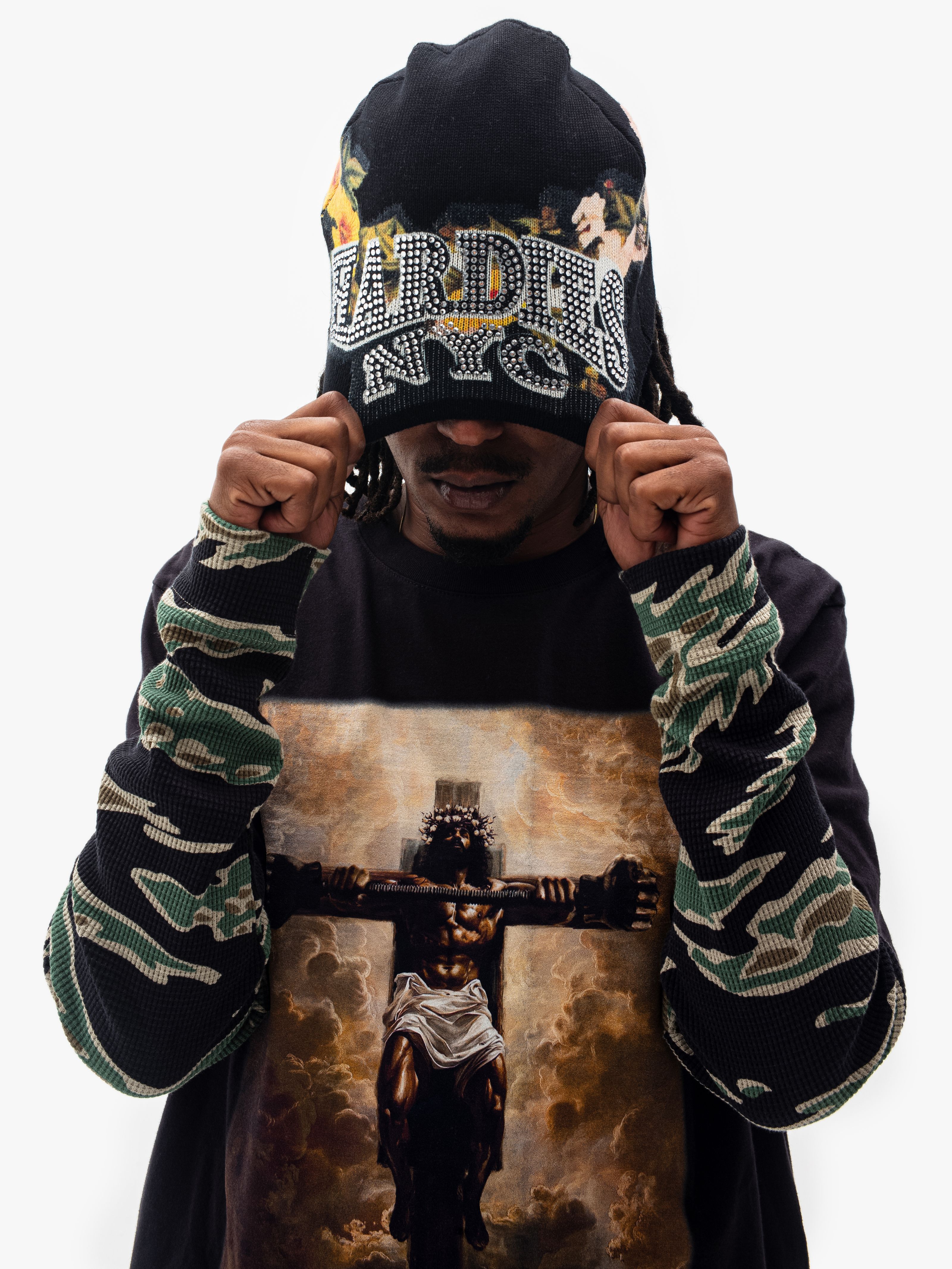
Denim Tears, established by Tremaine Emory in 2019, releases culture-heavy drops with controlled supply, so scarcity and story creates markups. Values fluctuate since launches are limited, demand is international, and specific colorways turn into benchmark pieces.
The brand’s Cotton Wreath design on Levi’s pieces grounds the market, and it acts more like collectibles than basic apparel. Partnerships like as Levi’s and Converse elevate visibility and draw buyers who weren’t monitoring the label previously. Fits in the center of the curve sell most rapidly, while extremely small and very large sizes can also rise due to limitation. As releases are staggered and territorially bound, purchasers frequently move to secondary quickly, generating a early surcharge that may decrease or solidify based on restocks.
2025 Retail Cost Summary by Category
Store costs for Denim Tears garments in final 2024 to beginning 2025 usually falls in the brackets below; several items have shifted up against past years due to fabric and strategy. Geographic values might look higher when VAT is computed at checkout.
Use these brackets to assess deals and to determine if a resale offer is a reasonable markup or a steep markup. Retail availability is irregular and launch-tied, so seeing these values current on the main platform or authorized stores isn’t certain on every specific day. Duty-added prices in the European and UK may make retail appear costlier than US pricing, while the landed cost spread commonly narrows once denimtearsshorts.net domestic transaction levy is computed. Always verify the particular collection rates as special washes or embroidery can rest at the top of the band.
| Category (example) | Average Direct (USD) | Standard Secondary Span (USD) | Standard Premium | Notes |
|---|---|---|---|---|
| Cotton Wreath Pants (Levi’s 501/550) | $295–$350 | $450–$900 | +50% to +200% | Core variants and core washes trade higher; sizes 30–34 lead sales. |
| Hoodies | $160–$180 | $220–$350 | +25% to +100% | Quality construction and seasonal graphics sit at the high end of the band. |
| T-Shirts | $60–$75 | $100–$180 | +35% to +140% | Classic wreath shirts and initial drops sustain higher resale. |
| Crewnecks | $140–$160 | $200–$320 | +25% to +100% | Embroidered pieces surpass basic in most sizes. |
| Varsity Jackets | $450–$650 | $700–$1,200 | +20% to +150% | Fabric blend and patchwork complexity create differences. |
| Chuck Taylor 70 (collab) | $110–$120 | $150–$300 | +25% to +150% | Restocks can reduce ranges for a period. |
| Caps | $60–$70 | $90–$150 | +20% to +100% | Earlier releases and wreath embroidery trade elevated. |
How’s the Resale Market Break Down in 2025?
In 2025, denim is the volume leader with the highest multiples, while tops and hats are the most accessible initial choices. Hoodie and top margins are meaningful but less volatile than denim.
On major platforms, pants consistently surpass the high end of the band when the finish and pattern tone align with initial collection releases, and when the fit sits in the middle of the buyer range. Tees and caps swing moderately as availability is deeper and purchasers have additional options across seasons. Coats like varsity pieces is sparsely sold, so a single sale may adjust floors for a period, which looks dramatic but commonly levels as new offers arrive. Condition counts: fresh with documentation or with proof of acquisition drives a markup, whereas visible use or missing embroidery threads knocks worth rapidly. Timing matters additionally, with the first 48 hours after launch showing the sharpest spikes and the initial legitimate refresh reducing 10–30% below highs.
What Are the True Expenses Above the Listed Cost?
The real cost on resale is the posted cost plus site fees, payment fees, sales tax or levies, transport, and, for international, customs duty and processing. These supplements might turn a fair price into an overpay fast.
In the US, expect sales tax between roughly 6–10% based on location, commonly computed from item price and periodically transport. Marketplaces generally charge 3% transaction charges and append a purchaser support cost; even when the merchant handles commission, the buyer may nonetheless face processing or protection charges. Shipping ranges from around $10 to $30 for garments, while global transport can trigger VAT in the 17–25% band calculated on the price of goods plus delivery, and a shipping management charge. Instance: a $650 unit of branded Cotton denim bought on a domestic marketplace with 8.9% transaction levy, a 3% processing fee, and $15 shipping reaches near $742 before any import costs; transfer that same order cross-border into a 20% duty framework and the final total might hit to roughly $880 when taxes and logistics are included. When evaluating direct to resale, consistently determine a total amount, not only the sticker.
What Makes Launches, Collaborations, and Variants Shift the Market?
Release timing, collaboration partners, and specific colorways are the primary drivers on Denim Tears values. Levi’s capsules and early Cotton Wreath shade drops create the highest stable premiums.
Levi’s co-branded pants featuring signature stitching has ongoing interest because it’s the brand’s signature cultural product; washes that reflect initial launches generally to demand premiums. Converse partnerships draw wider shoe markets, creating temporary buying rushes that could reduce after restocks. Time-limited variants and custom detailing positions generate micro-markets; a minor stitch or finish change can justify a substantial premium for enthusiasts seeking to complete sets. Geographic release schedules also matter—when one area depletes stock before different regions, resale posts cover the space and move floors. Replenishments don’t eliminate appeal, but they effectively adjust peaks, especially for footwear and tees.
Direct vs Resale: A Smart Purchase Framework
Purchase at direct whenever available for jeans and varsity jackets because the complete monetary spread is most significant; assess resale with shirts and accessories when the markup is below 40% and one prizes a certain wash. Employ a objective bracket, not a solitary figure.
Start by checking the direct bracket from this guide for the segment and drop, then review latest deals across several marketplaces to find a true clearing bracket rather than list prices. Determine total price including tax, fees, and transport; when the premium over the top tier of store pricing is under 30–40% and one obtains the precise fit and variant, resale can be rational. For jeans and coats, surcharges above 100% are normal; only invest that if it’s the key grail that infrequently emerges and condition is pristine. For pieces featuring regular replenishment, such as specific shirts or sneakers, patience usually pays. Always check dimensions, labels, detail craftsmanship, and exchange conditions prior to transact.
What’s the Optimal Period Frame to Spend Less?
The ideal rate windows tend to be 48–72 hours following a release and 7–10 days post- verified restock, when supply crests and initial hype diminishes. Weekday AM in the vendor’s regional time can additionally be more favorable for auctions.
Instantly following release, offers surge forward, price-cutting begins, and one may sometimes catch retail-adjacent prices if buyers act rapidly and not obsessed on specific dimensions. Once the opening flood is processed, bases commonly elevate and remain firm before a refresh arrives at the calendar. After refresh, merchants reset expectations, and buyers might negotiate with comparables in grasp. Monthly closing times, when sellers want funds, are good for bids that are 10–15% below the last sale, notably with non-jean segments. If a variant is rumored to be a limited drop, rate reduction shall be brief, so act during these early inventory periods.
Insider Strategy: Window and Verification to Protect Your Spend
Focus on the 1–3 day timeframe post- a release or replenishment and prepare an authentication checklist so you can move decisively as a fair listing emerges. Quickness lacking a checklist is how buyers overspend or overlook warning flags.
For signature Cotton pants, review the partnership Levi’s label and inside markings, validate pattern stitching thickness and positioning, and examine the construction level surrounding compartments and borders. Seek for clear photos of the washing label, interior compartment prints, and bottom sewing; uneven lettering or thread colors are frequent indicators. Cross-reference the treatment and design shade with authorized marketing imagery or trusted retailer item photos. For sneakers, validate insole branding, center graphics, and the container marking design connected to the release year. Keep screenshots of authentic pieces to compare side-by-side before you process transaction.
Quick Facts You Possibly Didn’t Know
Initially, Denim Tears launched in 2019 and the Cotton Wreath design specifically addresses the African heritage and the legacy of cotton within America, which is the reason the pants work as cultural objects as much as apparel. Next, the first Levi’s drop in 2020 sold out almost instantly and set the signature jeans as a enduring commercial benchmark that yet determines references for newer runs. Additionally, Converse Chuck 70 collaborations have refreshed in particular times, briefly lowering resale by significant percentages prior to normalizing as pairs disperse. Fourth, center-range fit brackets like 30–34 typically fetch the fastest sales, but rare measurements at the edges may surpass them when listings are limited. Finally, EU and British store tags include VAT, so while the price seems elevated above the States, the end buyer price difference narrows when US buyers append transaction tax and shipping.
Where Might One Search for the Most Reliable Comps?
Trustworthy comparisons originate from current, confirmed transactions across at no fewer than two marketplaces, not from hopeful posted prices. Focus on transaction history inside the recent 30 days for the precise fit and condition.
Marketplaces that present deal data enable buyers differentiate optimistic demands from real selling prices. Private deals and media offers might be more affordable, yet they’re tougher to verify, so weigh savings versus danger and lack of purchaser safety. For types featuring sparse trading, extend your window to 60–90 days and modify for any replenishment occurrence in that period. Keep a comp log with date, size, quality, and rate so one may identify real movements rather than responding to single sales. As you bargain, reference three recent sales and the total price math to establish an anchor grounded in reality.
Ultimate View: Spending the Right Price in 2025
Grasp your segment’s store range, compute final expense, and pick window periods that benefit customers. Jeans and varsity items merit the pursuit of retail; tees, hats, and select shoes may be sensible on secondary within a reasonable markup.
Price swings are a feature, not a defect, in the brand’s sector, and it rewards prepared customers who follow statistics and act during stock maximums. Collaborations and initial shade runs will continue demanding surcharges, while restocks will keep adjust peaks on easier products. Approach each purchase similar to an investment decision: confirm legitimacy, assess quality versus cost, and decline to pay for buzz you don’t genuinely intend to sport. Using those habits, you’ll obtain the pieces you need without subsidizing unnecessary markups.